
Salomon: From Alpine Bindings in Annecy to Gorpcore Fashion and Urban Footwear
Salomon began as a small family workshop in the French Alps shortly after the Second World War and gradually became one of the most recognisable names in outdoor equipment and technical footwear. Founded in Annecy in 1947 by François Salomon and his family, the company initially specialised in ski edges and bindings designed for demanding mountain conditions. Over the decades, Salomon transformed from a niche engineering business into a global sportswear brand associated not only with trail running and alpine sports, but also with contemporary street fashion. By 2026, the company occupies a unique position where technical innovation, mountain heritage and urban style intersect naturally.
The Origins of Salomon and Its Engineering Identity
The story of Salomon is closely tied to the geography of Annecy and the wider Alpine region. Surrounded by mountains and winter sports culture, the Salomon family saw an opportunity to improve ski equipment during a period when skiing was becoming more accessible across Europe. François Salomon, together with his son Georges, worked on mechanical solutions that could improve both performance and safety for skiers. Their early workshop focused on precision metalwork, and this technical mindset later became one of the brand’s defining characteristics.
One of the company’s most important breakthroughs arrived in the 1950s and 1960s with the development of safer ski binding systems. At a time when ski injuries were common, Salomon invested heavily in release mechanisms that reduced the risk of leg fractures during falls. The introduction of the “Skade” safety binding and later innovations helped establish the company as a serious engineering-driven manufacturer rather than simply another sports brand. By the 1970s, Salomon bindings were widely used in international skiing competitions and became associated with reliability in extreme conditions.
The company expanded rapidly throughout Europe and North America during the late twentieth century. Salomon diversified into ski boots, skis and outdoor gear while maintaining a reputation for technical research and practical product testing in mountainous terrain. Unlike many fashion-oriented labels, Salomon built its identity around performance data, athlete feedback and mechanical precision. Even in 2026, this engineering legacy remains central to the brand’s reputation among professional runners, hikers and alpine athletes.
How Alpine Culture Shaped the Brand’s Philosophy
The Alpine environment around Annecy influenced more than just the company’s product range. It shaped the entire philosophy behind Salomon’s approach to design and testing. Employees, athletes and engineers often trained in the same mountains where prototypes were evaluated, allowing rapid development cycles based on direct outdoor experience. This connection to real terrain helped Salomon create products suited to unpredictable weather, steep climbs and technical surfaces.
Unlike sportswear companies that relied mainly on lifestyle marketing, Salomon traditionally communicated through performance and functionality. The brand’s advertising throughout the 1980s and 1990s focused heavily on mountain endurance, winter sports expertise and athletic credibility. This practical image later became one of the reasons younger urban audiences found the brand appealing. Many consumers viewed Salomon products as authentic tools rather than trend-driven fashion items.
The company’s French roots also played an important role in its visual identity. Salomon combined minimalist European design with technical detailing, creating footwear and apparel that looked distinct from American sportswear competitors. By the early 2020s, this understated technical aesthetic became highly influential within modern streetwear and gorpcore culture, especially among consumers searching for functional clothing with genuine outdoor heritage.
Trail Running Expansion and the Rise of Outdoor Footwear
Although Salomon first became famous through skiing equipment, the company’s long-term global growth was heavily connected to trail running. During the late 1990s and early 2000s, outdoor endurance sports experienced significant expansion across Europe, Asia and North America. Salomon recognised this shift early and invested in lightweight trail footwear, hydration systems and apparel designed specifically for mountain runners.
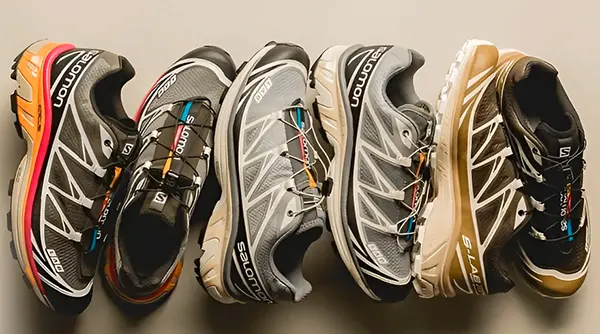
Models such as the Speedcross, XT-6 and Sense series became particularly influential within the running community. These shoes were designed for grip, stability and long-distance comfort on uneven terrain. Salomon’s Contagrip outsole technology and Quicklace system became recognisable features associated with practicality and durability. Many professional athletes praised the footwear for maintaining traction in wet, rocky and muddy conditions, helping the company gain credibility in elite trail competitions.
The popularity of trail running after the COVID-19 pandemic accelerated interest in outdoor sports and technical footwear. Consumers increasingly searched for versatile shoes suitable for both city environments and nature activities. Salomon benefited from this shift because many of its products already combined aggressive technical features with relatively modern silhouettes. By 2026, Salomon remains one of the dominant names in trail running footwear worldwide, competing directly with brands such as HOKA, La Sportiva and Arc’teryx-affiliated footwear projects.
Why Salomon Footwear Became Popular Beyond Sport
One reason Salomon footwear entered mainstream fashion was its balance between utility and distinctive design. The shoes featured visible technical details, layered construction and unconventional colour palettes that differed from traditional casual trainers. Younger audiences interested in functional fashion began incorporating trail shoes into everyday outfits, particularly in large cities such as London, Paris, Seoul and Tokyo.
The rise of gorpcore culture during the late 2010s and early 2020s also played a major role. Gorpcore refers to the adoption of outdoor clothing and technical equipment within casual urban fashion. Consumers started wearing hiking jackets, utility trousers and trail footwear even outside sporting contexts. Salomon’s products fit naturally into this movement because they already carried genuine outdoor credibility. Unlike some fashion brands attempting to imitate technical aesthetics, Salomon products were originally designed for real mountain use.
Social media and fashion publications further accelerated this popularity. Influential stylists, musicians and designers frequently appeared wearing Salomon trail models, especially the XT-6. The footwear gained visibility during fashion weeks and within streetwear photography, helping transform certain technical running shoes into sought-after lifestyle products. Importantly, Salomon never abandoned its performance identity during this transition, which allowed the brand to maintain trust among athletes while expanding into new cultural spaces.
Fashion Collaborations and Salomon’s Position in 2026
Salomon’s relationship with fashion deepened significantly through collaborations with designers and contemporary labels. Partnerships with brands such as COMME des GARÇONS, MM6 Maison Margiela, The Broken Arm and Palace helped introduce Salomon to audiences that previously had little connection to mountain sports. These collaborations often preserved the technical foundation of the footwear while adding experimental colours, materials or styling concepts.
Among the company’s most influential models in fashion circles was the XT-6, originally launched as a long-distance trail shoe. Over time, it became one of the defining silhouettes of technical streetwear. Luxury retailers and fashion boutiques across Europe and Asia began stocking Salomon products alongside designer labels, reflecting broader changes in how consumers viewed outdoor equipment. Technical performance products were no longer restricted to sports shops.
As of 2026, Salomon continues balancing commercial growth with its original engineering philosophy. The company invests in sustainable manufacturing initiatives, recycled materials and product longevity while expanding into lifestyle-focused collections. At the same time, Salomon remains heavily involved in professional trail racing, alpine sports and outdoor innovation. This dual identity allows the brand to remain relevant across very different audiences without losing its historical authenticity.
The Lasting Influence of Salomon on Modern Sportswear
Salomon’s influence extends beyond footwear alone. The company helped reshape how consumers perceive technical outdoor clothing in everyday life. Products originally intended for demanding mountain environments are now commonly integrated into modern wardrobes because people increasingly value durability, comfort and practical design. This shift reflects broader cultural changes linked to mobility, outdoor recreation and functional fashion.
The brand’s long history also demonstrates how engineering expertise can become a cultural advantage. Salomon did not begin as a lifestyle company searching for fashion trends. Instead, its reputation was built through decades of mechanical innovation and athlete-oriented product development. When gorpcore aesthetics became commercially influential, Salomon already possessed the authenticity many younger consumers considered important.
Looking ahead, Salomon appears well positioned to remain influential in both outdoor sports and fashion. The company continues to release advanced trail footwear while participating in selective collaborations that maintain exclusivity and creative interest. More than seventy years after its founding in Annecy, Salomon represents a rare example of a technical sports manufacturer successfully evolving into a globally recognised cultural brand without abandoning its original identity.