
Ganni: How a Danish Brand Turned Scandinavian Fashion into a Global Trend
Over the past two decades, Scandinavian fashion has developed from a regional design movement into one of the most influential forces in the global clothing industry. Among the companies responsible for this transformation, Ganni occupies a unique position. Founded in Copenhagen, the Danish label challenged traditional perceptions of Nordic fashion and introduced a more expressive, playful, and contemporary interpretation of Scandinavian style. By 2026, Ganni is recognised not only as one of Denmark’s most successful fashion companies but also as a brand that helped redefine how international audiences view modern Scandinavian design.
The Early Years of Ganni and the Transformation of the Brand
Ganni was founded in Copenhagen in 2000 by gallery owner Frans Truelsen. Initially, the company focused on producing high-quality cashmere knitwear for women and operated on a relatively small scale within the Danish market. During its first years, the brand attracted a loyal customer base, but it remained largely unknown outside Scandinavia. At the time, the company lacked the distinctive identity that would later become its defining characteristic.
A major turning point arrived in 2009 when entrepreneur Nicolaj Reffstrup and fashion executive Ditte Reffstrup acquired a majority stake in the business. Nicolaj concentrated on strategic development and international growth, while Ditte assumed responsibility for the creative direction. Their partnership transformed Ganni from a niche knitwear company into a fashion label with a clear vision and a strong understanding of changing consumer preferences.
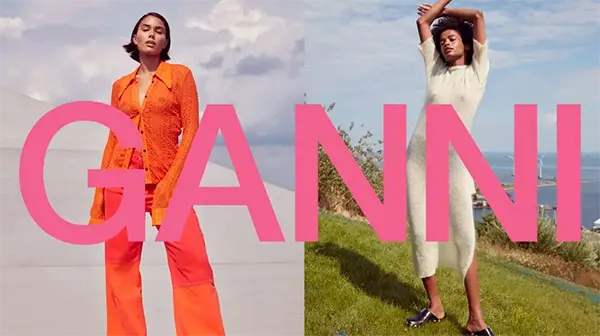
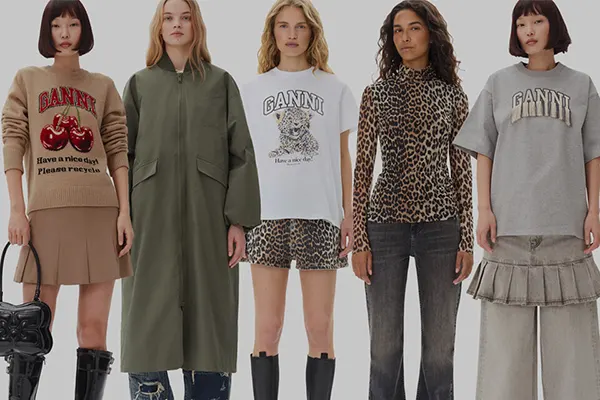
Rather than following the restrained minimalism often associated with Scandinavian fashion, Ganni introduced collections featuring bold colours, oversized silhouettes, floral patterns, statement collars, and unexpected fabric combinations. This approach appealed to consumers who wanted clothing that balanced practicality with individuality. The collections quickly attracted attention from fashion editors, stylists, and buyers searching for something different within the Nordic fashion scene.
How Ganni Changed the Image of Scandinavian Fashion
For many years, Scandinavian fashion was internationally associated with simplicity, functionality, and muted colour palettes. While these characteristics remain important parts of Nordic design, Ganni demonstrated that Scandinavian fashion could also be playful, expressive, and emotionally engaging. The brand challenged long-standing stereotypes without abandoning the practicality that consumers valued.
Its collections encouraged personal style rather than strict conformity to trends. Dresses with vibrant prints, oversized knitwear, contemporary tailoring, and eye-catching accessories became central elements of the Ganni identity. Customers appreciated clothing that felt modern and creative while remaining suitable for everyday life.
As the company gained visibility, fashion journalists increasingly described a shift toward a “new Scandinavian style.” Copenhagen became known not only for minimalist aesthetics but also for creativity, experimentation, and self-expression. Ganni played a significant role in establishing this new perception and helped position Danish fashion as a major influence within the global industry.
International Expansion and Global Recognition
During the 2010s and early 2020s, Ganni experienced rapid international growth. The company expanded beyond Denmark and established a presence in major fashion markets including the United Kingdom, France, Germany, the United States, South Korea, and China. Its collections became available through leading department stores, premium boutiques, and dedicated flagship locations.
The rise of Copenhagen Fashion Week contributed significantly to this expansion. As the event gained international recognition, Ganni became one of its most visible participants. Buyers, journalists, influencers, and industry professionals regularly attended the brand’s presentations, helping increase its exposure across global fashion media. The company’s runway shows became among the most discussed events during the Copenhagen fashion calendar.
At the same time, changing consumer behaviour created new opportunities for brands like Ganni. Younger audiences increasingly sought authenticity, individuality, and contemporary design rather than traditional luxury symbols. Ganni’s image aligned closely with these expectations, allowing the company to attract consumers looking for fashion that reflected modern lifestyles rather than conventional status-driven purchasing habits.
The Importance of Social Media and Digital Communication
Unlike many established luxury brands that relied heavily on exclusivity, Ganni embraced digital communication as a central part of its business strategy. The company developed a strong presence across social media channels and used these platforms to build direct relationships with consumers. Its content often featured real people, behind-the-scenes material, and everyday styling inspiration rather than highly controlled advertising campaigns.
Influencers and content creators played a crucial role in increasing the brand’s visibility. Ganni products frequently appeared in street-style photography during fashion weeks in Copenhagen, Paris, Milan, London, and New York. These appearances generated substantial online attention and introduced the brand to audiences who may never have encountered it through traditional fashion media.
The company also benefited from user-generated content. Customers regularly shared photographs of their outfits and styling ideas across social networks, effectively becoming part of the brand’s marketing ecosystem. This community-driven visibility helped strengthen customer loyalty while contributing to Ganni’s reputation as an approachable and culturally relevant fashion label.
Sustainability, Innovation, and Ganni’s Future in 2026
As environmental concerns became increasingly important within the fashion industry, Ganni began investing more heavily in sustainability initiatives. Rather than presenting itself as a completely sustainable company, the brand openly acknowledged the environmental challenges associated with fashion production. This transparency became one of the factors that distinguished Ganni from competitors making broader marketing claims without detailed evidence.
Throughout the 2020s, the company introduced a range of programmes designed to support more responsible consumption. These initiatives included repair services, resale programmes, clothing rental options, and investments in alternative materials. Ganni also collaborated with technology developers and textile innovators to explore new production methods capable of reducing environmental impact.
By 2026, sustainability remains a central element of the company’s long-term strategy. The brand continues to publish reports detailing its environmental objectives, achievements, and remaining challenges. This willingness to discuss both progress and limitations has helped strengthen consumer trust and reinforced the company’s reputation for accountability.
Ganni’s Influence on the Future of the Fashion Industry
The impact of Ganni extends beyond clothing design. The company has influenced how modern fashion businesses communicate with consumers, address sustainability concerns, and build communities around their products. Many emerging brands now follow principles that Ganni helped popularise, including transparency, customer engagement, and a balance between creativity and practicality.
Industry analysts frequently reference Ganni as an example of how a contemporary fashion company can achieve international growth without relying entirely on traditional luxury business models. Its success demonstrates that consumers increasingly value authenticity, cultural relevance, and meaningful brand identity alongside design quality and craftsmanship.
More than twenty-five years after its foundation, Ganni remains one of Denmark’s most influential fashion exports. Its journey from a small Copenhagen knitwear label to a globally recognised brand illustrates how creative leadership, strategic expansion, and a clear understanding of consumer expectations can transform a regional business into an international trendsetter. As the fashion industry continues to evolve, Ganni’s influence is likely to remain visible for many years to come.