

Coperni: How Technology, Show Formats and Viral Moments Changed Perceptions of Modern Fashion
Over the past decade, fashion has increasingly overlapped with technology, social media and live entertainment. Few brands illustrate this transformation as clearly as Coperni. Founded by Sébastien Meyer and Arnaud Vaillant, the French label has become known not only for its clothing and accessories but also for its ability to create cultural moments that spread far beyond traditional fashion audiences. By 2026, Coperni is widely recognised as a case study in how a relatively young luxury brand can use innovation, digital culture and carefully designed runway experiences to influence the way people engage with fashion.
From Emerging French Label to Global Fashion Conversation
Coperni was established with a clear vision of combining contemporary design with a forward-looking approach to innovation. While many luxury houses rely heavily on heritage narratives stretching back decades or even centuries, Coperni built its identity around modernity. The brand’s collections frequently draw inspiration from technology, industrial design and the changing relationship between people and digital tools.
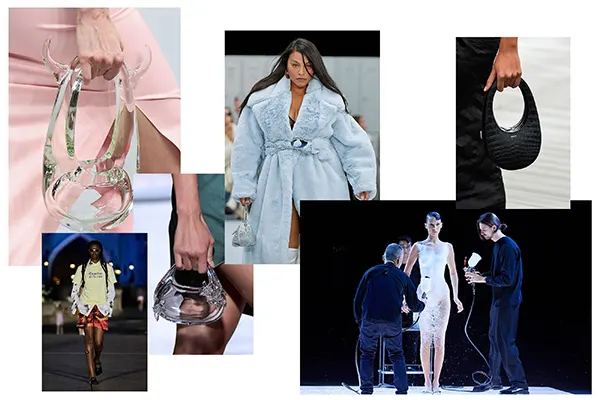
A major factor behind the company’s rise has been its ability to create products that are visually distinctive while remaining commercially relevant. The Swipe Bag, inspired by the shape of the swipe icon on smartphones, became one of the most recognisable accessories of the decade. Its success demonstrated how digital culture could influence physical fashion objects in ways that feel natural rather than forced.
By the mid-2020s, Coperni had moved beyond the category of a promising independent label. Fashion editors, technology publications and mainstream media increasingly covered its activities. This broad visibility allowed the brand to speak simultaneously to luxury consumers, younger social-media audiences and people who may not normally follow runway fashion.
Why Coperni Connected with a New Generation of Consumers
Younger audiences tend to value brands that understand contemporary culture rather than simply repeating established luxury traditions. Coperni’s references to smartphones, digital behaviour and emerging technologies helped create a connection with consumers who grew up in an online environment. The brand often presents fashion as part of a wider cultural ecosystem rather than an isolated creative discipline.
Another important factor is accessibility of communication. Although Coperni operates within the luxury sector, its campaigns and runway moments are frequently designed to be understood instantly by people scrolling through social media feeds. This approach allows the brand to generate discussion among audiences who may never attend fashion week events.
The company has also benefited from balancing experimentation with wearability. While some conceptual brands receive attention without achieving significant commercial success, Coperni has consistently offered products that fit into everyday wardrobes. This combination of innovation and practicality has strengthened its position within the global fashion industry.
The Power of Show Formats in the Social Media Era
Fashion shows have traditionally been designed for buyers, journalists and industry insiders. Coperni helped demonstrate that runway presentations can also function as global media events. Instead of focusing solely on clothing, the brand often creates experiences that encourage discussion across digital channels immediately after a show concludes.
One of the most significant examples occurred during Paris Fashion Week in 2022, when a dress was spray-painted directly onto model Bella Hadid during the runway presentation. The performance combined fashion, science and visual spectacle in a way that generated worldwide attention. The moment was shared millions of times online and remains one of the most discussed runway events of the decade.
Following that success, Coperni continued experimenting with unconventional presentation formats. Various shows incorporated themes connected to gaming culture, technology, futuristic environments and interactive storytelling. Rather than treating the runway as a simple display of garments, the brand transformed it into a narrative experience capable of reaching audiences far beyond the physical venue.
How Viral Runway Moments Influence Brand Value
Viral visibility does not automatically translate into long-term success. However, when executed effectively, memorable runway moments can significantly increase brand awareness. In Coperni’s case, the attention generated by headline-making presentations frequently directed consumers toward the company’s collections, accessories and broader creative identity.
The spray-on dress presentation became particularly important because it was not merely a publicity stunt. It aligned with the brand’s existing focus on innovation and technological experimentation. As a result, the event reinforced an already established narrative instead of creating confusion about the label’s identity.
Fashion analysts increasingly point to Coperni as evidence that modern luxury brands must think beyond traditional advertising. In an environment where audiences consume information through short videos and social media posts, a single powerful visual moment can achieve global reach that would have required enormous marketing budgets in previous decades.
Technology as a Creative and Strategic Tool
Technology plays a central role in Coperni’s public image, but its influence extends beyond runway performances. The brand regularly explores new materials, manufacturing possibilities and digital concepts. This ongoing interest reflects broader changes across the fashion industry, where innovation increasingly affects both creative development and customer engagement.
Experiments involving advanced materials, connected experiences and collaborations with technology-focused partners have helped distinguish Coperni from competitors. These initiatives demonstrate that fashion can participate in discussions about science, engineering and future consumer behaviour without losing its aesthetic focus.
By 2026, the relationship between fashion and technology is no longer considered unusual. Artificial intelligence, digital design tools, data-driven production methods and immersive online experiences have become part of industry operations. Coperni gained attention because it embraced these themes early and integrated them into a coherent brand identity rather than treating them as temporary trends.
The Lasting Impact of Coperni on Modern Fashion
Coperni’s influence extends beyond its own collections. The brand contributed to a wider shift in how fashion houses think about communication, audience engagement and cultural relevance. Many companies now place greater emphasis on creating moments that resonate across social networks while maintaining a strong design perspective.
The success of the label also illustrates how smaller brands can compete with established luxury giants. Instead of relying on decades of history, Coperni built recognition through creativity, strategic storytelling and a willingness to experiment with new formats. This approach has encouraged other emerging designers to reconsider how they present their work.
As the fashion industry continues evolving, Coperni remains an important example of how technology, performance and digital culture can reshape public perceptions of luxury fashion. Its rise demonstrates that modern relevance is not determined solely by heritage or scale, but by the ability to understand how people experience and share culture in a connected world.