
Arc’teryx: How a Technical Outdoor Brand Became the Language of Urban Style
Arc’teryx began as a niche Canadian manufacturer focused on climbing gear and alpine performance, yet by 2026 it stands at the centre of a broader cultural shift. What was once purely functional outerwear has evolved into a visual code for modern urban identity. This transition did not happen through traditional fashion pathways, but through a combination of technical credibility, scarcity, and a growing appetite for clothing that performs as well as it looks in everyday city environments.
From Alpine Roots to Global Recognition
Arc’teryx was founded in North Vancouver in 1989, with a clear focus on precision engineering and durability. Early products such as harnesses and later Gore-Tex jackets were designed for climbers operating in extreme conditions. This technical foundation remains central to the brand’s identity, distinguishing it from competitors that prioritise aesthetics over function.
In the 2010s and early 2020s, the brand experienced accelerated growth, particularly after being acquired by Amer Sports. The company expanded its direct-to-consumer model and opened flagship retail locations in key cities such as London, New York, and Tokyo. These moves strengthened control over distribution and brand perception, allowing Arc’teryx to maintain its premium positioning.
By 2026, Arc’teryx is frequently referenced in both outdoor and fashion publications. Analysts often highlight it as one of the fastest-growing segments within performance apparel, with demand driven not only by athletes but also by urban consumers seeking reliability and understated design.
The Role of Technical Authenticity in Brand Value
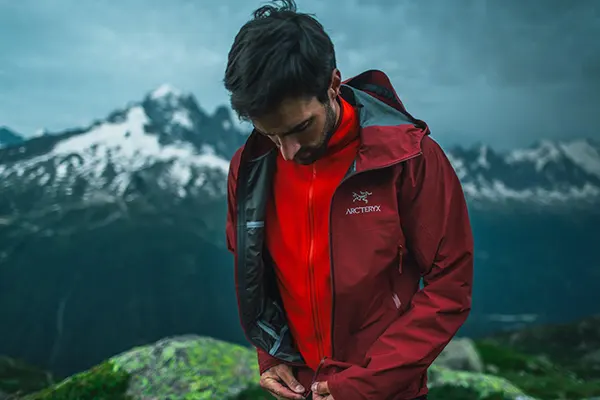
Unlike many fashion-driven labels, Arc’teryx built its reputation through product testing rather than marketing campaigns. Jackets such as the Alpha SV or Beta AR are known for their construction quality, seam taping, and weather resistance. This credibility creates trust that extends beyond the outdoor community.
Technical authenticity also protects the brand from rapid trend cycles. Consumers perceive Arc’teryx as a long-term investment rather than a seasonal purchase. This aligns with broader shifts in consumer behaviour, where durability and sustainability are becoming more influential than novelty.
The brand’s refusal to dilute its core identity has reinforced its authority. Limited collaborations and controlled product releases ensure that Arc’teryx remains associated with performance first, even as its visibility grows in urban environments.
Gorpcore and the Rise of Functional Fashion
The emergence of gorpcore—a style centred on outdoor clothing worn in everyday settings—played a decisive role in Arc’teryx’s transition into urban culture. Unlike earlier trends driven by luxury reinterpretations, gorpcore values practicality, layering, and weather-ready materials.
Arc’teryx became a natural reference point within this movement. Its minimalist design, neutral colour palettes, and visible technical features made it adaptable to city life without losing its original purpose. Jackets designed for mountain conditions proved equally useful for unpredictable urban weather.
By the mid-2020s, the brand’s presence extended into streetwear communities, creative industries, and even corporate environments where functionality and comfort began to outweigh formal dress codes. This shift reflects a broader redefinition of what constitutes “appropriate” urban attire.
Why Arc’teryx Resonates with Urban Audiences
One key factor is versatility. A single Arc’teryx shell can function across multiple contexts—from commuting and travel to outdoor activity—reducing the need for specialised wardrobes. This appeals to consumers prioritising efficiency and mobility.
Another aspect is visual neutrality. Unlike logos associated with status signalling, Arc’teryx uses subtle branding. This allows wearers to integrate pieces into different styles without creating visual conflict, which is particularly important in modern urban aesthetics.
Finally, there is a cultural dimension. The brand has been adopted organically by communities such as designers, architects, and tech professionals. These groups value precision and performance, reinforcing Arc’teryx’s position as a symbol of thoughtful consumption rather than conspicuous display.
Retail Expansion and Cultural Positioning
Arc’teryx’s growth strategy has relied heavily on controlled expansion rather than mass distribution. By investing in flagship stores and curated retail experiences, the company ensures consistency in how products are presented and understood by customers.
Direct-to-consumer channels have become increasingly important. By 2026, a significant portion of sales comes from brand-owned stores and online channels, allowing Arc’teryx to gather data, refine product development, and maintain pricing discipline.
The brand also benefits from selective collaborations, such as its Veilance line, which focuses on urban performance wear. These initiatives extend Arc’teryx’s relevance without compromising its technical foundation, bridging the gap between outdoor gear and contemporary design.
The Future of Performance Wear in Cities
Looking ahead, the boundary between outdoor and urban clothing is likely to continue blurring. Climate variability, increased mobility, and changing work patterns all contribute to demand for adaptable garments.
Arc’teryx is positioned to benefit from these trends due to its established expertise in materials and construction. Continued investment in innovation—such as lighter fabrics and improved sustainability practices—will be critical to maintaining relevance.
At the same time, the brand faces the challenge of preserving its core identity as popularity grows. Maintaining limited distribution, consistent product quality, and a clear design philosophy will determine whether Arc’teryx remains a reference point or becomes diluted within the broader fashion landscape.